Breeding to Keep vs. Breeding to Sell
How to decide whether a performance-horse breeding should stay, sell as an embryo or young horse, or support a repeatable breeding program.
Based on The Business of Horses with Melanie Smith Sources checked August 2, 2026
In this field guide
- Questions to answer first
- A real Solo example
- Start with the mare, then define the exit
- A keep cross can prioritize the horse you want to use
- A sell cross must identify the buyer and sale stage
- Put the stud fee inside the complete cost and evidence stack
- Use multiple embryos only when each one has a job
- Measure the result against the goal you actually wrote
- Direct answers
- Sources
The short answer
Start with the mare, then state whether the program intends to keep, train, sell, or preserve optionality. A keep decision can give more weight to the breeder's discipline, rider, preferences, and the cross believed to fit the mare. A sell decision must add the likely buyer, sale stage, catalog evidence, current demand, incentives, stud fee, carrying cost, and time to cash. Marketability does not excuse a poor cross, and neither plan guarantees performance or price.
Start with the decision
Name the owner, exit, and financial job
After assessing the mare, decide what the breeding must do for the program. Keep, sell, and keep-your-options-open plans use overlapping evidence, but they do not weight it the same way.
- 01
Is the intended result staying to train, being sold as an embryo or young horse, or being evaluated later?
- 02
Who is the likely rider or buyer, and what discipline, level, and sale stage matter to that person?
- 03
Which qualities of the mare and proposed cross matter even if the market changes?
- 04
What stud fee, production cost, carrying period, and possible loss can the program absorb?
- 05
What evidence and deadline will trigger keeping, selling, changing course, or stopping?
From Episode 13 · Breeding With Intention
The stud fee only matters in relation to the mare and the exit
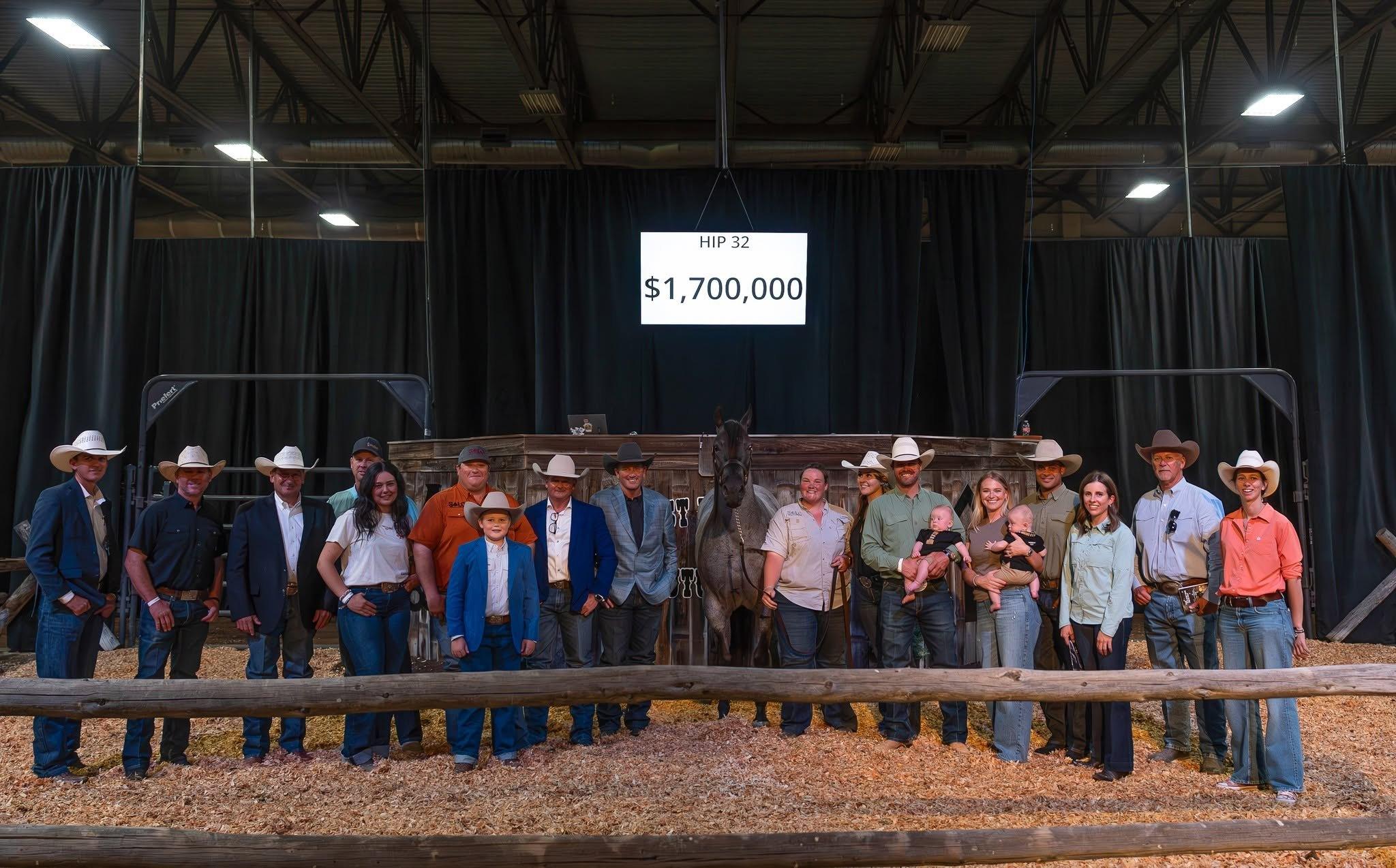
In Episode 13, Melanie uses Tic Tac as a commercial example. At the time of recording, she says his stud fee was $2,000 and his yearlings were averaging roughly $25,000 to $30,000 in Solo's sale. Her point was not that the same return belongs to every mare or every yearling. It was that a lower stud fee can still produce a marketable result when the mare, cross, sale, and program fit.
The same episode describes the opposite decision: spending more than a mare's current catalog evidence may support when the breeder intends to keep the offspring, believes strongly in the mare, and can tolerate years of break-even or losses while she builds a record. Neither choice is automatically correct. The financial plan must be stated before the contract is signed.
01
Start with the mare, then define the exit
The mare remains the first subject: what she is, what she has shown, what her produce and family support, and what the program can manage. The keep-versus-sell goal comes next because it changes how those facts are weighted—not because it changes the mare herself.
Write the intended ownership path in plain language. A horse may be kept through training, sold as an embryo, weanling, yearling, two-year-old, or finished performer, or held until more evidence appears. Each stage requires different capital, time, preparation, buyer knowledge, and tolerance for uncertainty.
02
A keep cross can prioritize the horse you want to use
Episode 13 explains that a breeder keeping the result can place more weight on personal preferences, the intended rider, discipline-specific structure and mind, and the cross believed to complement the mare. The most popular sire of the season may matter less when the breeder is not asking the market to validate the decision immediately.
Keeping does not remove economics. The program still pays the stallion contract, veterinary or laboratory work, recipient costs when applicable, raising, training, and time. The difference is that personal and performance utility can justify choices that a short-term sale plan would not.
- Name the intended discipline, level, and likely rider
- Describe the structure, mind, and ability the mare already suggests
- State why the stallion may preserve or complement those qualities
- Budget through the training stage needed to evaluate the result
- Decide what would still cause the program to sell
03
A sell cross must identify the buyer and sale stage
Selling requires more than calling a cross marketable. Identify the likely buyer, the sale venue or private channel, the age and preparation at sale, the catalog evidence visible at that time, and the incentives or programs that buyer values.
Episode 13 emphasizes current sale observation and recent comparable results, while also acknowledging the time lag: a breeding decision can be made years before a yearling reaches the ring. Use current evidence to make the most educated choice available, but do not present a trend as a guaranteed future market.
Decision record
How the same decision changes by intended exit
Primary audience
- Keeping to train
- Breeder, rider, and trainer
- Selling into a market
- Defined buyer at a defined stage
Cross emphasis
- Keeping to train
- Individual fit, discipline, mind, rideability
- Selling into a market
- Individual fit plus verifiable demand and catalog evidence
Time horizon
- Keeping to train
- Through the training test
- Selling into a market
- To embryo, weanling, yearling, or later sale
Market inputs
- Keeping to train
- Useful but not controlling
- Selling into a market
- Comparable sales, incentives, sire demand, and venue fit
Financial test
- Keeping to train
- Can the program carry production and training?
- Selling into a market
- Can realistic proceeds support total cost and risk?
| Decision | Keeping to train | Selling into a market |
|---|---|---|
| Primary audience | Breeder, rider, and trainer | Defined buyer at a defined stage |
| Cross emphasis | Individual fit, discipline, mind, rideability | Individual fit plus verifiable demand and catalog evidence |
| Time horizon | Through the training test | To embryo, weanling, yearling, or later sale |
| Market inputs | Useful but not controlling | Comparable sales, incentives, sire demand, and venue fit |
| Financial test | Can the program carry production and training? | Can realistic proceeds support total cost and risk? |
04
Put the stud fee inside the complete cost and evidence stack
A mare may be a beloved and talented individual without having catalog evidence that supports an expensive commercial cross. Episode 13 makes that distinction directly: a private story about what the mare might have done cannot be printed as black type for a buyer.
Compare the stud fee with the mare's evidence, contract and shipping, veterinary or laboratory pathway, recipient plan, raising and preparation, commissions, and time. A less expensive stallion is not automatically value, and an expensive stallion is not automatically overbreeding. The question is what must happen for the whole plan to remain defensible.
05
Use multiple embryos only when each one has a job
Episode 13 describes how embryo transfer or ICSI can let a program pursue more than one objective: a preferred performance cross to keep and other sound crosses with stronger near-term commercial demand. That flexibility is useful only when the contracts, semen rights, embryo ownership, recipient capacity, cost, and exit plan are clear for each cross.
Do not create multiple embryos merely because the technology allows it. Assign each proposed embryo a purpose, full budget, ownership plan, and decision date before adding another cross.
- Identify which cross is intended to stay and why
- Identify the buyer and stage for every commercial cross
- Verify ICSI rights, embryo billing, storage, permits, and future use
- Reserve recipient capacity and price transfer attempts separately
- Plan for zero embryos as well as more embryos than expected
06
Measure the result against the goal you actually wrote
Save the mare assessment, goal, proposed cross, market evidence, complete cost, intended exit, and reasons for the final decision. Revisit that record when an embryo is made, a foal is born, the horse reaches a sale, or training provides new evidence.
A sound decision can still have an uncertain biological or market outcome. The written record helps the program distinguish bad luck, a market change, a management failure, and a flawed original assumption instead of rewriting the plan after the result is known.
Common questions
Direct answers
- Is breeding to sell less responsible than breeding to keep?
- No. A commercial goal can be responsible when the mare, cross, welfare, buyer, sale stage, costs, and risks are addressed honestly. The problem is not selling; it is breeding without a defined audience or realistic plan.
- Should marketability change the stallion I choose?
- It can change how candidates are weighted when a sale is necessary, but it should not erase individual fit, sound evidence, contract terms, genetic-disease risk in the proposed cross, or the breeder's ability to execute the plan.
- Does a higher stud fee create a more valuable foal?
- No. Stud fee is one cost and may reflect current demand, record, ownership, or positioning. The resulting horse's quality, catalog evidence, preparation, timing, sale venue, buyer demand, and many uncertain factors affect value.
Sources & further listening
What supports this guide
Solo operating experience
Breeding With IntentionThe Business of Horses, Episode 13 — Melanie Smith on keep-versus-sell decisions, stud-fee exposure, catalog evidence, comparable sales, incentives, cash flow, and multiple-cross strategies.
Solo operating experience
The Solo Select SaleCurrent sale information for performance horses, embryos, foals in utero, and eligible Solo Select breeding-program consignments.
Solo operating experience
Solo Select IncentivesCurrent incentive structure, eligibility, enrolled stallions, and recipient-mare program information that may affect a commercial plan.