How to Choose a Stallion for Your Mare
A performance-horse breeder's framework that starts with the mare, defines the breeder's goals, and then evaluates stallion fit, evidence, market, budget, and breeding method.
Based on The Business of Horses with Melanie Smith Sources checked August 2, 2026
In this field guide
The short answer
Start with the mare as an individual. Then pin down your goals for the breeding: what you intend to keep or sell, the discipline and role, the traits to preserve or improve, and the program's financial objective. Only then compare a short list of stallions on physical fit, performance and produce evidence, temperament, market fit, genetic-disease risk in the proposed cross for the specific conditions tested, incentives, fee, contract, and semen availability. The most popular stallion is not automatically the right stallion for a particular mare.
Start with the decision
Start with the mare. Then pin down the goal.
Solo Select starts with an honest assessment of the mare in front of you. Once you know what she is, define what you need the breeding to accomplish before naming a stallion.
- 01
What are this mare's individual strengths, limitations, record, and family evidence?
- 02
Which parts of the mare should the stallion preserve, and which should he improve?
- 03
Will you keep the foal, sell an embryo, sell a yearling, or develop it under saddle?
- 04
Which discipline and role must the foal be built to perform?
- 05
When does the program need cash back, and what loss can it absorb?
From Episode 13 · Breeding With Intention
A $7,500 mare chosen for the horse she was—not the hype around her
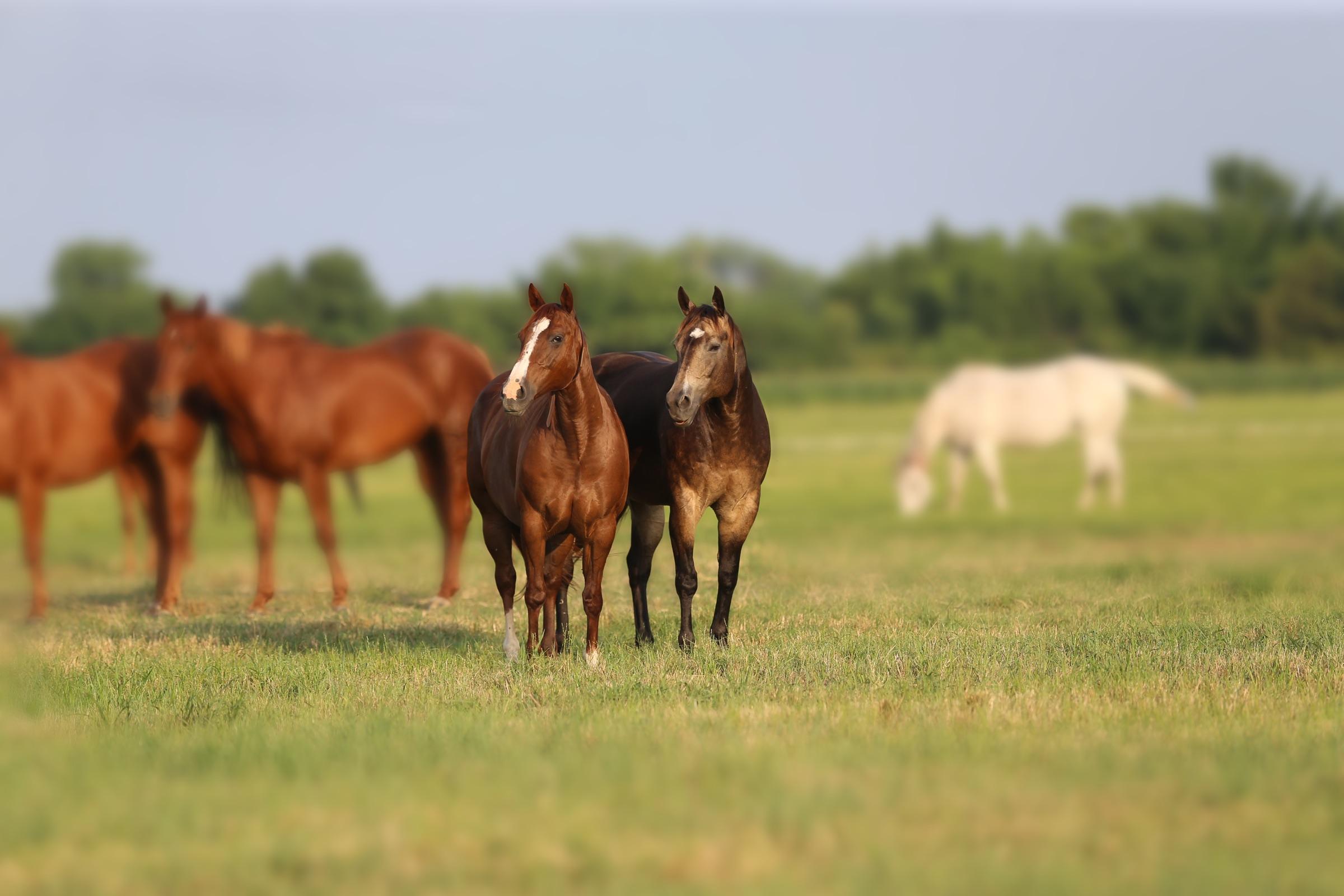
In the podcast, Melanie describes a Bigtime Favorite daughter Solo bought for about $7,500. Solo considered her wither, uphill build, bone, feet, size, appearance, race record, and black type; Melanie says the mare was out of a good mother. Solo then bred her to Tic Tac, a stallion the program wanted to promote.
Melanie says the first foal from that cross was a two-year-old in training and, when the episode was recorded, probably the best two-year-old in Solo's rope-horse group. That does not prove the same formula works for every mare. It shows what a documented decision looks like: judge the mare as an individual, pin down the goal, record why that stallion was chosen, and give the result time to prove itself.
01
Start with the mare as an individual
Begin with the mare standing in front of you—not a future foal and not a stallion advertisement. Record what is known rather than filling gaps with pedigree assumptions. Look at her structure, movement, size, foot and bone, disposition, performance history, injuries, reproductive history, produce record, and the work her close family has actually done.
A fashionable sire cannot repair every limitation, and a statistical cross cannot see the horse standing in front of you. Record what the mare herself and, if available, her produce record suggest she may contribute, what should be preserved, and what the stallion may need to complement before moving to the breeder's goals.
- Current registration identity and ownership
- Structure, movement, feet, bone, size, and balance
- Disposition, trainability, and handling history
- Performance record and level of competition
- Produce record and evidence from the female family
- Reproductive and veterinary history
- Current genetic-health results
02
Pin down your goals
Once the mare is understood, write down what this breeding needs to accomplish: the intended discipline and level, likely rider, ownership plan, sale stage, and financial time horizon. If the resulting horse is staying, rideability and the breeder's own preferences may carry more weight. If it must sell, the buyers active at that sale stage, the pedigree they can verify, and the incentives available to them also matter.
Episode 13 explains how keep versus sell changes the cross. Solo's current framework, clarified after recording, puts the steps in this order: assess the mare first, then define the goal, then compare stallions.
03
Build a short list with evidence
Separate what a stallion has proven himself from what his offspring have proven. A younger stallion may be evaluated primarily through his own performance, family, individual quality, semen offering, and early foals. A proven sire adds offspring records, but those records still need context: age of foal crops, number of performers, disciplines represented, and opportunity.
Use the same evidence categories for every candidate. That prevents one horse's marketing from quietly changing the standard halfway through the comparison.
Decision record
A practical cross-comparison record
Mare
- Evidence to record
- Individual strengths, limitations, history
- Question it should answer
- What should this cross preserve or improve?
Goal
- Evidence to record
- Keep or sell, discipline, rider, sale stage, financial objective
- Question it should answer
- What must this breeding accomplish for the program?
Stallion
- Evidence to record
- Own record, family, offspring evidence
- Question it should answer
- What has been demonstrated, and by whom?
Fit
- Evidence to record
- Structure, movement, mind, discipline
- Question it should answer
- Why could these two individuals complement each other?
Market
- Evidence to record
- Comparable demand, incentives, sale stage
- Question it should answer
- Who is the likely buyer if the foal is sold?
Breeding logistics
- Evidence to record
- Fresh, cooled, frozen, or ICSI offering; stallion show and collection schedule; veterinary capability
- Question it should answer
- If the stallion is showing or fresh semen is unavailable, can your veterinarian or clinic handle frozen semen or coordinate ICSI on the required schedule?
Economics
- Evidence to record
- Contract plus complete cost stack
- Question it should answer
- What must go right for the plan to remain affordable?
| Decision | Evidence to record | Question it should answer |
|---|---|---|
| Mare | Individual strengths, limitations, history | What should this cross preserve or improve? |
| Goal | Keep or sell, discipline, rider, sale stage, financial objective | What must this breeding accomplish for the program? |
| Stallion | Own record, family, offspring evidence | What has been demonstrated, and by whom? |
| Fit | Structure, movement, mind, discipline | Why could these two individuals complement each other? |
| Market | Comparable demand, incentives, sale stage | Who is the likely buyer if the foal is sold? |
| Breeding logistics | Fresh, cooled, frozen, or ICSI offering; stallion show and collection schedule; veterinary capability | If the stallion is showing or fresh semen is unavailable, can your veterinarian or clinic handle frozen semen or coordinate ICSI on the required schedule? |
| Economics | Contract plus complete cost stack | What must go right for the plan to remain affordable? |
04
Balance the cross with the market
Marketability is a legitimate requirement when the breeding program must cash-flow. It should be stated openly rather than disguised as a claim that the most marketable stallion is always the best genetic cross. Incentive eligibility, buyer familiarity, current demand, and stud fee can affect a sale plan; none guarantees the foal's ability or sale price.
The useful question is not whether popularity matters. It is how much it should matter for this mare, this sale stage, and this program's financial tolerance. A breeder can choose a commercial cross, a personal cross, or create multiple embryos for different objectives—but the objective should be written down before the contract is signed.
05
Make the decision auditable
Save a one-page breeding record with the goal, mare assessment, final candidates, reasons for the choice, current fee and contract, breeding method, veterinary plan, and assumptions about sale timing. Revisit it when the foal is born, prepared, sold, or enters training.
That record turns breeding from hindsight into learning. It also makes it possible to distinguish a sound decision with an uncertain biological outcome from a decision that was never fully defined.
- Do not choose from color or social attention alone.
- Do not use one successful relative as proof of the proposed cross.
- Do not compare stud fees without comparing contracts and logistics.
- Do not assume incentive eligibility is permanent; verify the current year.
- Do not promise yourself a sale result without current comparable evidence.
Live from the stallion roster
Current breeding options by stallion
This list is generated from the same published stallion records and contract labels used on the main roster. It is not separately typed into this guide, so published changes flow into both places together.
Roster last updated September 2026
Fresh/cooled · Frozen · ICSI
Every Solo stallion offered with fresh or cooled semen also offers frozen semen and ICSI.
Frozen only
Available through the current frozen-semen contract shown on the profile.
ICSI only
Available through the current ICSI contract shown on the profile.
Common questions
Direct answers
- What is the best stallion for my mare?
- There is no responsible universal answer. Start with the mare as an individual, then define the breeder's goals. Only after that should the decision weigh stallion fit, discipline, whether the resulting horse will be kept or sold, budget, the current contract, and the available breeding method.
- Should I breed to the most popular stallion?
- Popularity can support market demand, but it does not prove physical compatibility, trainability, soundness, or suitability for your goal. Treat popularity as one commercial factor, not the decision itself.
- How should genetic-panel results affect a cross?
- Use current results from both horses to understand the proposed cross and consult the appropriate professional when interpretation is needed. A panel is an important risk-management input, not a ranking of the horse's overall quality.
Sources & further listening
What supports this guide
Solo operating experience
Breeding With IntentionThe Business of Horses, Episode 13 — Melanie Smith on keep-versus-sell decisions, the mare as an individual, market fit, stud-fee economics, incentives, and program identity.
Registry reference
AQHA Genetic HealthAQHA's explanation of dominant and recessive conditions, carriers, affected horses, and using genetic-health results in thoughtful breeding decisions.
Solo operating experience
Solo Select Stallion RosterCurrent stallion profiles, performance records, pedigrees, availability, fees, incentive listings, genetic results, and contracts.