From Embryo Transfer to Foaling and Weaning
Plan the recipient mare's pregnancy checks, routine care, travel, foaling, newborn monitoring, weaning, and return with the appropriate professionals.
Written by Melanie Smith Reviewed July 16, 2026 by Hannah Carter, DVM

The short answer
After embryo transfer, the recipient mare needs scheduled veterinary pregnancy examinations, routine preventive and nutritional care, safe transportation planning, foaling preparation, newborn monitoring, and a coordinated weaning and return plan. The attending veterinarian should set the medical schedule for the individual mare and pregnancy.
01
What Solo Select's onsite records show
Solo Select's internal operating records document later-pregnancy outcomes among the tracked recipient pregnancies maintained within its onsite program. Of 885 pregnancies confirmed with a heartbeat from the 2024 breeding season and due to foal in 2025, eight recorded losses occurred after Day 70, an observed later-loss rate of 0.90%.
A separate calendar-year foaling cohort included 284 foals delivered at Solo Select in 2025. Of those, 281 were born alive, a 98.94% live-birth rate.
These are separate operating cohorts and should not be combined into a transfer-to-live-foal conversion rate. They describe outcomes observed under Solo Select's onsite care, not a guarantee for an individual pregnancy.
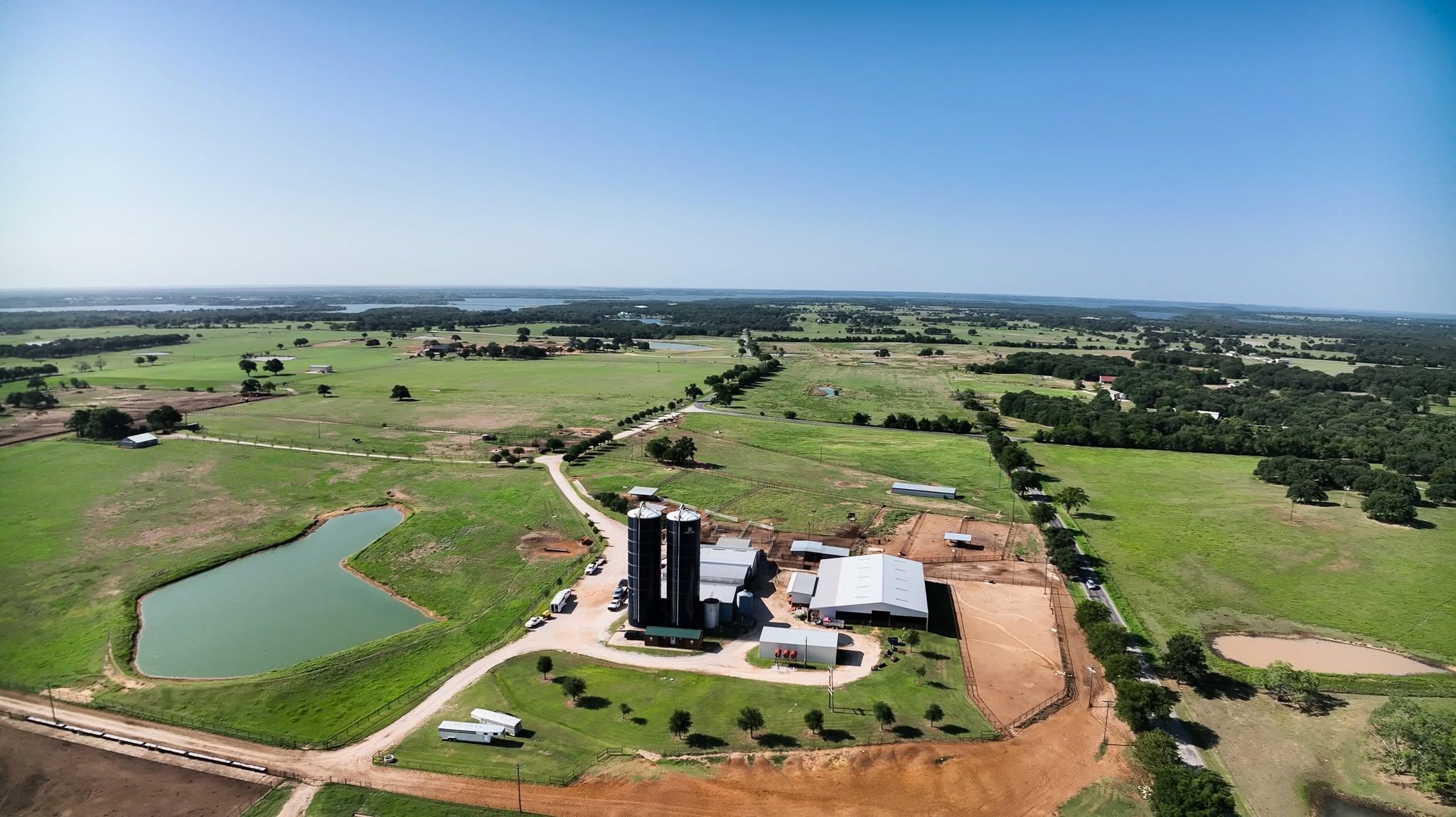
Solo Select designs its onsite program around keeping recipient mares in a familiar, low-stress environment. The mare remains where she knows the facilities, herd, feed, and daily routine rather than undergoing another management and transportation change before foaling. That continuity is an operating principle of the program; these records do not isolate stress or prove that any single management practice caused the observed outcomes.
02
Pregnancy monitoring
The veterinarian determines when to examine the mare and what each examination should evaluate. Follow the schedule provided by the veterinarian and recipient program, and report illness, injury, discharge, colic signs, or unexpected changes promptly.
Before moving a mare, confirm the examination, paperwork, transportation, and notification requirements in the lease contract.
03
Nutrition and body condition through the carrying year
There is no single feeding rule that fits every recipient mare. In a Business of Horses conversation with Melanie Smith, equine nutritionist Dr. James Lattimer explains that a mare's genetics, age, life stage, current body condition, and available forage all affect what she needs. Looking well-covered is not, by itself, proof that every vitamin and mineral requirement is being met.
Solo Select begins managing nutrition before pregnancy rather than waiting for the final months. The team evaluates forage, maintains an appropriate mineral program, puts hands on mares to monitor body condition, and adjusts the program as each mare's needs change. Nutritional demand rises in late gestation and lactation, so the ration that maintained a mare earlier in pregnancy may not remain appropriate through foaling and nursing.
The mineral gap can be easy to miss. Forage may supply enough calories and protein to keep a mare looking well while still falling short of particular minerals, and forage mineral content changes with soil, plant species, and maturity. Testing the forage and balancing the entire ration is more reliable than judging adequacy from weight or coat condition alone.
Prenatal mineral management also affects what the foal receives before birth. In a controlled study of 21 pregnant Thoroughbred mares, copper supplementation during the final 13 to 25 weeks of gestation significantly increased copper concentration in the foals' livers. Mare and foal liver copper concentrations were strongly related, with an r-squared value of 0.70. That study supports attention to the mare's total ration; it does not justify adding copper without accounting for the forage, fortified feed, other supplements, and mineral balance.
Dr. Lattimer also describes Solo Select's practice of transitioning mares to an appropriate growth feed before foaling. That lets the nursing foal become familiar with the same feed alongside the mare before weaning, reducing the number of dietary and management changes introduced at one time. The attending veterinarian and qualified equine nutrition team should still set the plan for the individual mare, forage, region, and pregnancy.
Reference values
How estimated mineral needs change in early lactation
| Nutrient | Maintenance | First month of lactation |
|---|---|---|
| Calcium | 20 g/day | 59.1 g/day |
| Phosphorus | 14 g/day | 38.3 g/day |
| Zinc | 400 mg/day | 500 mg/day |
| Copper | 100 mg/day | 125 mg/day |
NRC-derived estimates for a 500 kg (1,100 lb) mare. These figures illustrate the size of the change; they are not a ration for every mare. Individual needs and the nutrients already supplied by forage and feed must be evaluated.
Review the complete Merck Veterinary Manual table04
Foaling preparation and continuous observation
Solo Select asks that a mare coming into the onsite foaling program arrive 30 days before her expected due date. That gives her time to settle into the environment, feed, routine, and care team before foaling. Owners should coordinate the arrival date, health paperwork, transportation, and current veterinary information with the program in advance.
Onsite staff monitor the foaling mares 24 hours a day. The experienced team has foaled mares for Solo Select since 2021 and watches a row of expectant mares continuously rather than going to sleep and relying on a foaling alarm to wake them. Solo Select does not use foaling alarms because the team considers the devices intrusive for its mares and prefers direct human observation.
The goal is attentive but low-intervention supervision. Staff stay out of the mare's way while labor progresses normally, allowing her the space to deliver naturally, and step in when observation indicates that help may be needed. Solo Select has multiple onsite veterinarians who can respond quickly when a mare or foal requires veterinary attention.
After the birth, the owner receives a photograph of the foal. The team also takes registration photographs and pulls hair promptly so the owner can begin the applicable registration process without waiting for those identification materials.
05
Weaning and recipient mare return
Solo Select typically weans foals between four and seven months of age. The date is not set by age alone: the team considers the individual foal, growth rate, current condition, weather, the mare, and the management environment before choosing the timing.
Nutrition preparation begins well before separation. Recipient mares receive GROSTRONG® mineral from the day they arrive at Solo Select, together with a forage program that includes a mix of alfalfa and grass hay. As described by Dr. James Lattimer in The Business of Horses, introducing the foal to an appropriate feed alongside the mare before weaning can reduce the number of dietary and management changes occurring at once.
Under the recipient program's return timeline, the mare must be returned to Solo Select by December 1 of the year in which she foals. Owners should plan the foal's weaning, transportation, required health documentation, and the mare's return early enough to meet that deadline and the current contract requirements.
Sources & further listening
Where this guidance comes from
- Feeding Your Horse to Its Genetic Potential
The Business of Horses, Episode 9 — Melanie Smith with Dr. James Lattimer
- Perinatal Mare and Foal Care
Merck Veterinary Manual — independent veterinary reference for individualized body-condition and nutrition management during late gestation and lactation
- Effect of Copper Supplementation on Copper Status of Pregnant Mares and Foals
Equine Veterinary Journal — controlled study of 21 pregnant Thoroughbred mares (Pearce et al., 1998)
- Providing Your Horse Vitamins and Minerals
University of Minnesota Extension — forage testing, ration balancing, and mineral requirements by physiological stage
Common Questions
Direct answers
- When should I move a recipient mare?
- Ask the attending veterinarian and recipient program. The appropriate time depends on pregnancy status, travel distance, health, weather, contract requirements, and the mare's individual circumstances.
- Does Solo Select offer foaling care?
- Yes. Solo Select offers year-round mare care and supervised foaling. Contact the reproduction office for current availability and program details.
- When should a mare arrive for foaling at Solo Select?
- Solo Select asks that a mare entering its onsite foaling program arrive 30 days before her expected due date so she can settle into the facilities, feed, routine, and care team before foaling.
- How does Solo Select monitor mares close to foaling?
- Experienced onsite staff monitor the foaling mares 24 hours a day through direct observation. Solo Select does not use foaling alarms in its program; staff watch the mares continuously, preserve the mare's space while labor progresses normally, and respond when assistance may be needed.
- When does Solo Select wean a foal?
- Solo Select typically weans between four and seven months of age. The team considers the individual foal, growth rate, condition, weather, mare, and management environment rather than choosing the date by age alone.
- When must a Solo Select recipient mare be returned?
- The recipient mare must be returned to Solo Select by December 1 of the year in which she foals, subject to the current contract. Plan weaning, transportation, health documents, and return arrangements before that deadline approaches.