How to Evaluate a Horse in an Online Performance-Horse Sale
A practical buyer's guide to sale repositories, radiographs, veterinary records, listing videos, disclosures, inspections, sale terms, and the questions to resolve before bidding.
Built from Solo Select's current sale process Sources checked August 2, 2026
In this field guide
- Questions to answer first
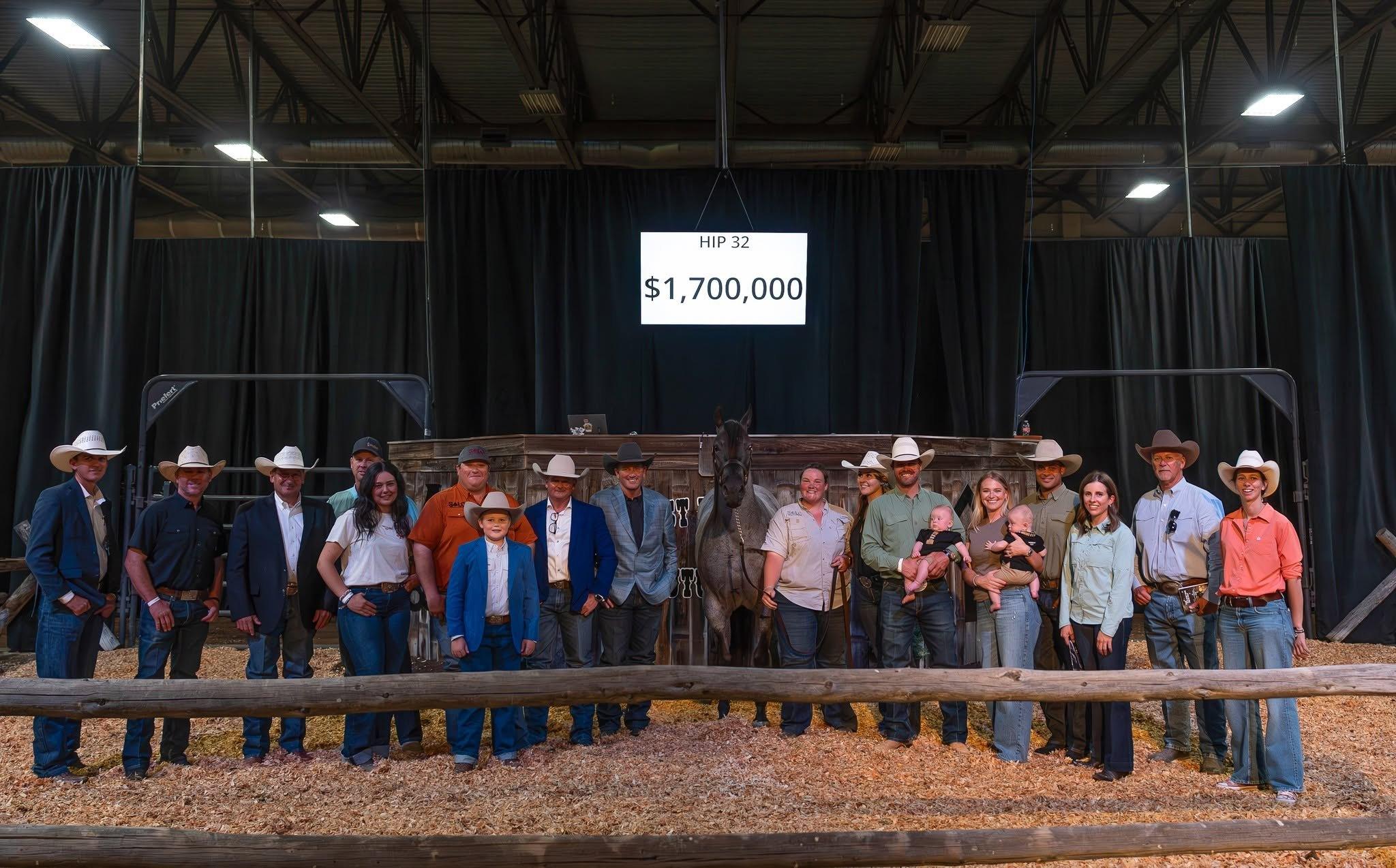
- A real Solo example
- Know what a sale repository is—and what it is not
- Solo and other sales use different access models
- Send the repository to your veterinarian
- Read the listing as evidence—not a complete examination
- Use the repository and a prepurchase examination for different jobs
- Finish the non-veterinary due diligence before bidding
- Direct answers
- Sources
The short answer
Evaluate the horse for your intended use, then separate what the listing shows from what still needs verification. Confirm the horse's identity, age, registration, training, record, incentives, disclosures, and sale terms. Open the sale repository early, verify that every file belongs to the correct horse, and have your veterinarian interpret the radiographs and other veterinary materials in the context of your intended use. Listing photos and videos show selected moments; they do not replace a live inspection, a veterinary review, or additional examination when your veterinarian recommends it. Resolve questions before bidding because auction horses generally sell under the event's stated as-is terms.
Start with the decision
Start with the job this horse must do
Due diligence is not a search for a perfect horse. It is the process of deciding whether this individual, with the evidence available and the uncertainty that remains, fits your intended use and tolerance for risk.
- 01
What job, discipline, level, rider, and timeline must this horse fit?
- 02
Which facts in the listing can I independently verify?
- 03
What does the repository contain, and has my veterinarian reviewed the correct files?
- 04
What can the photos and videos show—and what do they leave unanswered?
- 05
Which inspection, disclosure, payment, risk, insurance, and transport terms apply if I win?

From the Solo Select Sale
Every horse comes to the ranch before the listing goes live
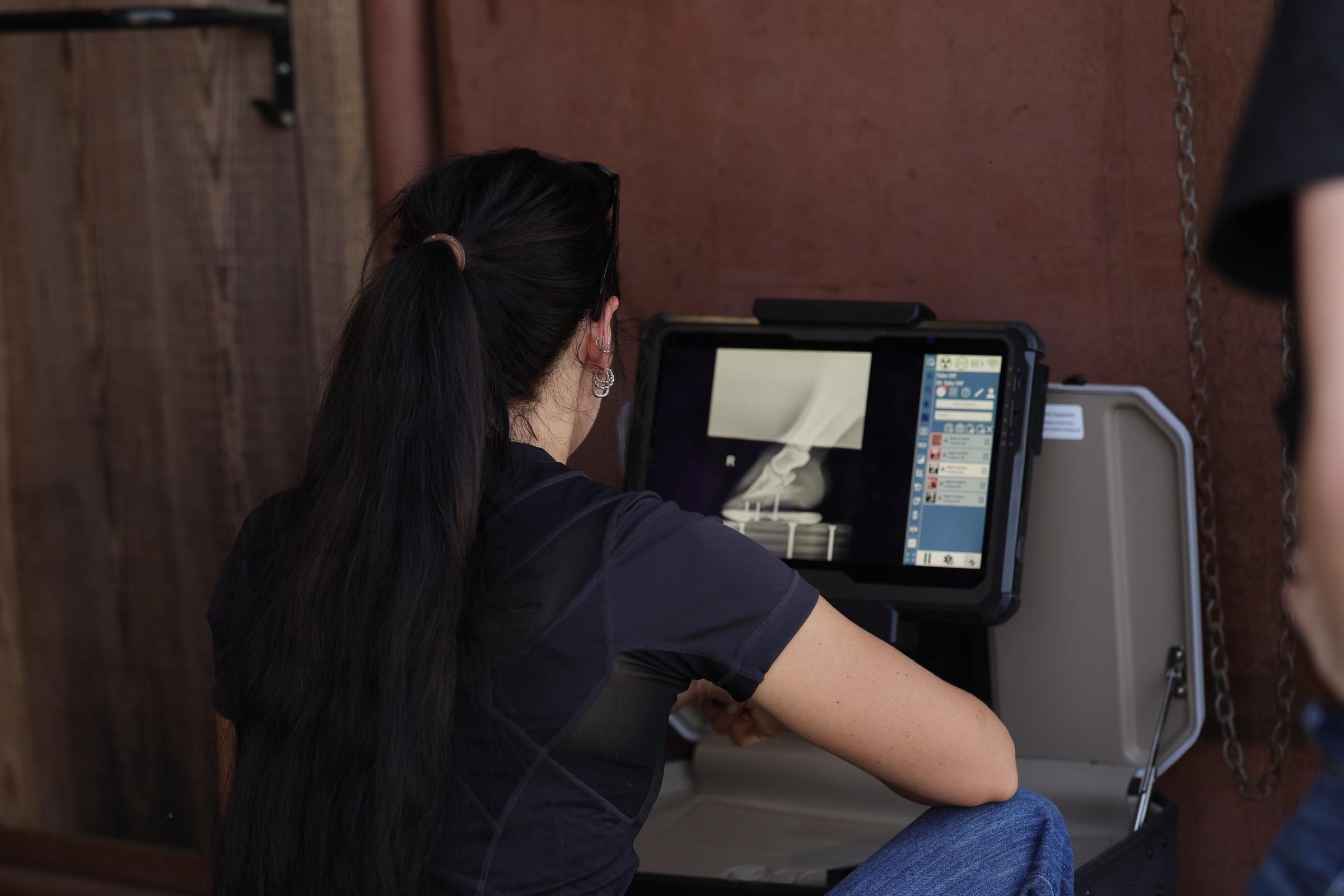
Solo Select produces the sale photos, videos, and performance footage on site rather than publishing secondhand marketing supplied from different barns. Radiographs, veterinary letters, and applicable palpation videos are also completed at the facility so the listing and repository can be matched to the horse presented for sale.
That process creates a consistent evidence package; it does not turn the package into a warranty or a diagnosis. The buyer still needs to review the complete listing, read the current conditions, involve a veterinarian, and decide whether the horse fits the intended use before bidding.
01
Know what a sale repository is—and what it is not
A sale repository is a collection of veterinary and disclosure materials made available for a defined period before an auction closes. Depending on the sale and the horse, it may contain digital radiographs, veterinary letters, palpation or endoscopy videos, surgery disclosures, or other records required by that event. The sale company controls which materials are required, how they are accessed, and when access ends.
The repository does not certify that a horse is sound, suitable, or free of problems. Radiographs are images, not a pass-or-fail result. A veterinarian must determine whether the images are complete and diagnostic, interpret what they show, relate any findings to the horse's age and intended use, and recommend whether another examination or additional views are warranted.
Decision record
The repository's role in a buyer's decision
Dated images and disclosed records
- It cannot decide
- Whether every relevant issue appears in those files
- Buyer action
- Confirm identity, dates, file set and required views
A common evidence package
- It cannot decide
- Whether the horse fits your intended use
- Buyer action
- Give the listing and use case to your veterinarian
Material available before bidding
- It cannot decide
- How the horse will perform or remain sound
- Buyer action
- Ask what additional examination is appropriate
A way to compare disclosed information
- It cannot decide
- A universal pass-or-fail grade
- Buyer action
- Get an interpretation rather than self-diagnosing images
| It can provide | It cannot decide | Buyer action |
|---|---|---|
| Dated images and disclosed records | Whether every relevant issue appears in those files | Confirm identity, dates, file set and required views |
| A common evidence package | Whether the horse fits your intended use | Give the listing and use case to your veterinarian |
| Material available before bidding | How the horse will perform or remain sound | Ask what additional examination is appropriate |
| A way to compare disclosed information | A universal pass-or-fail grade | Get an interpretation rather than self-diagnosing images |
02
Solo and other sales use different access models
Solo Select currently provides the repository through a viewable Google Drive link connected to the sale materials. Anyone with that supplied link can open the folder directly; a buyer does not need to qualify as a veterinarian or obtain separate repository credentials. That makes it easier for the buyer and the buyer's veterinarian to look at the same files before the auction closes.
Sales including Western Bloodstock, Triangle Sales, and Old West use vet-gated repository models. Their published materials route radiograph access through a licensed or registered veterinarian, generally using sale-specific Asteris credentials. The buyer asks a veterinarian to access and interpret the files rather than opening the repository directly. The difference is access—not whether the images require professional interpretation.
Decision record
Direct-view and vet-gated repository access
Examples
- Solo Select
- The Solo Select Sale
- Vet-gated sale repositories
- Western Bloodstock, Triangle Sales, and Old West
Online access
- Solo Select
- Viewable Google Drive link supplied with the sale materials
- Vet-gated sale repositories
- Repository access issued to a licensed or registered veterinarian
Buyer can open files directly
- Solo Select
- Yes, anyone with the supplied link can view
- Vet-gated sale repositories
- No; the buyer routes review through a veterinarian
Separate sale credentials
- Solo Select
- No separate veterinary login for the Drive folder
- Vet-gated sale repositories
- The veterinarian generally receives sale-specific Asteris access
Professional interpretation
- Solo Select
- Still necessary even though the buyer can view
- Vet-gated sale repositories
- Built into the access process through the buyer's veterinarian
| Feature | Solo Select | Vet-gated sale repositories |
|---|---|---|
| Examples | The Solo Select Sale | Western Bloodstock, Triangle Sales, and Old West |
| Online access | Viewable Google Drive link supplied with the sale materials | Repository access issued to a licensed or registered veterinarian |
| Buyer can open files directly | Yes, anyone with the supplied link can view | No; the buyer routes review through a veterinarian |
| Separate sale credentials | No separate veterinary login for the Drive folder | The veterinarian generally receives sale-specific Asteris access |
| Professional interpretation | Still necessary even though the buyer can view | Built into the access process through the buyer's veterinarian |
Access procedures can change by event. Use the current listing, repository instructions, and sale conditions rather than relying on an earlier sale's process.
03
Send the repository to your veterinarian
Send your veterinarian the repository link, the horse's listing, the sale deadline, and the job you expect the horse to do. A two-year-old cutting prospect entering training, a finished heel horse for an amateur, and a broodmare are not being evaluated for the same use.
Ask for a direct explanation of what the available radiographs and records show, which findings matter for that intended use, and whether your veterinarian recommends an in-person examination, additional views, or another test before you bid.
- Are the available images adequate for you to interpret?
- What findings matter for this horse's intended job?
- What remains unknown from the repository?
- Would another examination or test materially improve the decision?
04
Read the listing as evidence—not a complete examination
Use the full video library, not only the most dramatic clip. Look for the horse doing the work you intend to ask of it, transitions into and out of that work, both directions where relevant, handling on the ground, and enough uninterrupted footage to understand the sequence. Note what is not shown and ask why.
Compare statements with records. Verify registration identity, age, sex, ownership or agency where disclosed, performance earnings, produce information, incentives, genetic results, and training claims through the applicable source when they matter to the purchase. A professionally produced listing improves consistency; it does not make every claim equally proven.
Decision record
Turn listing content into buyer questions
Performance video
- What to examine
- Task shown, continuity, rider, surface and date
- What to ask next
- Is there footage of the horse doing my intended job?
Photos
- What to examine
- Conformation, condition, feet and visible marks
- What to ask next
- Can I inspect the horse or obtain current additional views?
Pedigree and record
- What to examine
- Registered identity and verifiable results
- What to ask next
- Which claims come from an official record?
Training description
- What to examine
- Specific maneuvers, experience and current program
- What to ask next
- Who trained the horse, and what has it actually done?
Veterinary disclosure
- What to examine
- Exact wording, date and related repository files
- What to ask next
- What does my veterinarian need to clarify or examine?
| Listing evidence | What to examine | What to ask next |
|---|---|---|
| Performance video | Task shown, continuity, rider, surface and date | Is there footage of the horse doing my intended job? |
| Photos | Conformation, condition, feet and visible marks | Can I inspect the horse or obtain current additional views? |
| Pedigree and record | Registered identity and verifiable results | Which claims come from an official record? |
| Training description | Specific maneuvers, experience and current program | Who trained the horse, and what has it actually done? |
| Veterinary disclosure | Exact wording, date and related repository files | What does my veterinarian need to clarify or examine? |
05
Use the repository and a prepurchase examination for different jobs
Repository review is remote due diligence on the materials the sale makes available. A prepurchase examination is a veterinarian's evaluation performed for a prospective buyer and should be tailored to the intended use. The veterinarian does not simply declare the horse passed or failed; the findings are reported so the buyer can decide whether to proceed.
Your veterinarian may be able to answer the question from the repository and history, or may recommend a live examination, additional radiographs, diagnostic imaging, endoscopy, laboratory work, or another targeted step. Scope depends on the horse, intended use, time, access, sale rules, and buyer's risk tolerance. Arrange it before the deadline, at the buyer's expense, and with the permissions required by the sale.
06
Finish the non-veterinary due diligence before bidding
A soundness discussion does not answer the rest of the transaction. Read the current conditions for payment timing, buyer charges, title and risk transfer, default, insurance, transport, papers, warranties or exclusions, and any special terms for embryos, foals in utero, breeding animals, or other categories.
Write down the maximum total commitment before bidding: purchase ceiling, applicable buyer charges, examination, insurance, transport, boarding, transfer, and the immediate training or care plan. Confirm where the horse goes after the sale and who is responsible the moment risk transfers. If a material question remains unresolved, the disciplined decision may be not to bid.
- Complete bidder registration before the deadline
- Read the conditions for the specific sale
- Confirm the purchase ceiling and total immediate cost
- Arrange insurance based on the stated risk-transfer point
- Line up transport and the receiving location
- Save the listing, disclosures, questions, and written responses
Common questions
Direct answers
- What is a horse sale repository?
- It is a time-limited collection of veterinary and disclosure materials made available before a sale. Depending on the event, it may include radiographs, veterinary letters, palpation or endoscopy videos, surgery disclosures, and other records. It is evidence for due diligence, not a soundness certification or warranty.
- Can anyone view the Solo Select sale repository?
- Solo Select currently supplies a viewable Google Drive link with the sale materials. Anyone with that supplied link can open the folder; no separate veterinary registration is required. Buyers should still have their veterinarian interpret the materials before bidding.
- What is a vet-gated horse sale repository?
- It is a repository that routes radiograph access through a licensed or registered veterinarian rather than allowing the buyer to open the files directly. Western Bloodstock, Triangle Sales, and Old West currently publish vet-gated processes using veterinarian registration or restricted Asteris access. Verify the instructions for the specific event because procedures can change.
- Does a clean radiograph repository mean the horse is sound?
- No. Radiographs show selected anatomy at a point in time. They do not evaluate every structure, predict future soundness, or decide suitability for a particular job. A veterinarian must interpret the images in context and advise whether more examination is appropriate.
- Do I still need a prepurchase examination?
- That depends on the horse, use, available records, repository quality, access, timing, and your risk tolerance. Give the complete materials to your veterinarian and ask what additional examination would materially improve the decision before bidding.
- Can I obtain repository radiographs after the horse sells?
- Do not assume so. Solo Select and Western Bloodstock state that repository radiographs are unavailable after a horse sells. Review them and resolve questions before bidding.
Sources & further listening
What supports this guide
Solo operating experience
Solo Select Horse SaleSolo's current buyer and consignor process, including on-site photography and video, radiographs and veterinary materials, inspection, bidding, payment, papers, transport, and repository timing.
Auction reference
Western Bloodstock Veterinarian ResourcesWestern's current page routes the online sale repository to registered veterinary use and provides its veterinary repository registration materials.
Auction reference
Western Bloodstock Repository RulesWestern's published repository procedures describe sale-specific veterinarian registration, single-user credentials, Asteris remote access, licensed-veterinarian accompaniment, confidentiality, and limits on copying and post-sale access.
Auction reference
Triangle Sales Radiograph RepositoryTriangle's published repository materials state that submitted radiographs are available online to a buyer's veterinarian and that veterinarians register for repository credentials.
Auction reference
Old West Radiograph AccessOld West's current sale page states that its Asteris repository is restricted to licensed-veterinarian access for prepurchase evaluation.
Veterinary reference
AAEP Guidelines for Reporting Purchase ExaminationsAmerican Association of Equine Practitioners guidance on defining the intended use, conducting and documenting a purchase examination, reporting findings, and leaving the purchase decision to the buyer.