Selling an Embryo vs. Weanling vs. Yearling
A decision guide to selling a performance-horse embryo, weanling, or yearling based on available evidence, buyer, time to cash, preparation, carrying cost, and risk.
Based on The Business of Horses with Melanie Smith Sources checked August 2, 2026
In this field guide
- Questions to answer first
- A real Solo example
- An embryo sells the plan and the evidence behind the parents
- A weanling lets the individual enter the decision
- A yearling presents more development—and more invested capital
- Fit the venue instead of forcing the horse into it
- Compare net proceeds, not the headline bid
- Reopen the stage decision when new evidence appears
- Direct answers
- Sources
The short answer
Sell at the stage where the buyer can see enough evidence to value the offering and the breeder can still afford the remaining time and risk. An embryo relies heavily on the sire, dam, rights, and documentation. A weanling adds a visible individual but also pregnancy, foaling, and early-raising costs. A yearling adds more physical development and sale preparation while requiring the longest carrying period of the three. None of the stages guarantees acceptance, price, or profit.
Start with the decision
Choose the buyer before choosing the sale age
The stage is only useful when it connects a specific offering to a real buyer, venue, documentation standard, and financial timeline.
- 01
Who is most likely to buy this cross, and at which stage does that buyer normally act?
- 02
What evidence will exist at the embryo, weanling, and yearling stages?
- 03
How much additional care, recipient, insurance, registration, fitting, and commission cost begins at each stage?
- 04
What physical, veterinary, timing, sale-acceptance, and market risks remain with the breeder?
- 05
When does the program need cash back, and what is the fallback if the offering does not sell?
From Episode 13 · A real change-of-stage decision
The plan changed when the baby on the ground became the evidence
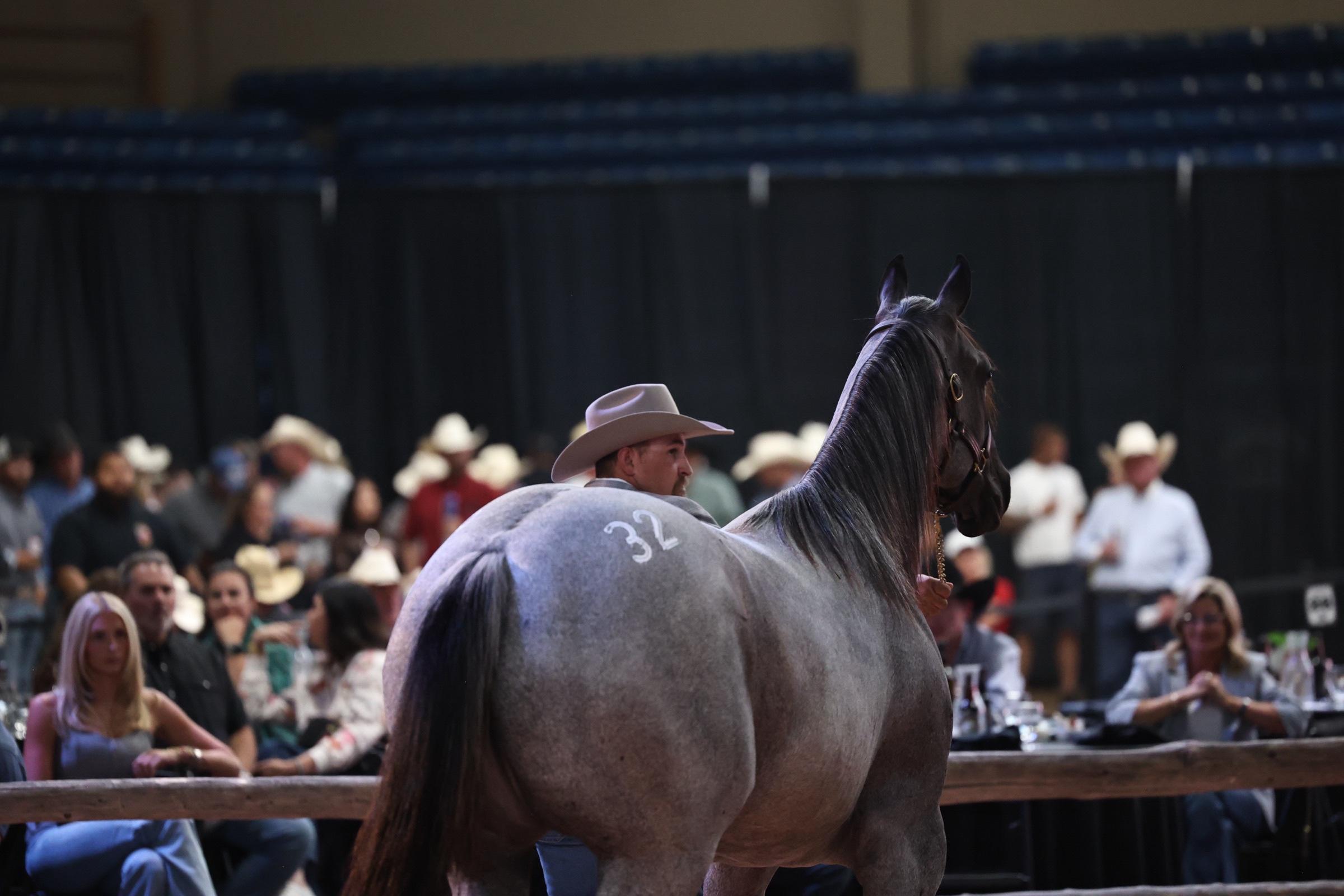
In Melanie's Select Genes example, the customer first bought embryo access rather than the mare. Solo transferred the embryos, managed recipients, and raised the resulting foal. When one filly reached the ground and showed the individual quality the team believed the market would value, Melanie recommended selling her as a baby; she recalls the filly bringing about $65,000.
The point is not that foaling out every embryo creates that result. The sale stage changed because new evidence existed: buyers could see the actual filly rather than only the proposed cross. The customer also retained other embryos, so the program did not depend on treating every genetic opportunity the same way.
01
An embryo sells the plan and the evidence behind the parents
Before a foal can be inspected, the commercial case depends heavily on the verified sire and dam, maternal production, genetic and registry documentation, breeding method, embryo status and location, ownership rights, and the contract defining what the buyer receives.
Selling at the embryo stage may shorten the breeder's carrying period and transfer later recipient, pregnancy, foaling, raising, and market risk. It can also narrow the buyer pool to people comfortable evaluating genetics, documentation, contracts, and the uncertainty that remains before a live foal exists.
02
A weanling lets the individual enter the decision
A weanling gives the buyer a horse to inspect: structure, size, movement, disposition, color, condition, and early development become visible. The pedigree and maternal family still matter, but they no longer carry the entire offering.
Reaching that stage means the breeder has carried pregnancy, foaling, neonatal and early-care risk, recipient or mare care, registration, and raising costs. The weaning and sale schedule must also fit the individual rather than being driven only by a cash deadline.
03
A yearling presents more development—and more invested capital
By the yearling stage, buyers can evaluate more physical development and the consignor can use a defined fitting and presentation program. The breeder has also carried another period of feed, care, farrier work, veterinary needs, handling, insurance decisions, entry deadlines, sale preparation, and market exposure.
Episode 13 notes that the breeding decision may be made roughly three years before a resulting yearling reaches the sale ring. Current demand informs the original decision, but no one can promise that the same sire, incentive, cross, or buyer appetite will hold its position through that lag.
Decision record
What changes as the offering develops
Embryo
- Evidence the buyer can inspect
- Parents, maternal family, contracts, embryo records and status
- Risk and cost still carried by seller
- Documentation and transaction risk; later biological and care risk may transfer
Weanling
- Evidence the buyer can inspect
- Pedigree plus the foal's visible individual quality and early development
- Risk and cost still carried by seller
- Pregnancy, foaling, early care, registration and weaning already carried
Yearling
- Evidence the buyer can inspect
- More mature structure, movement, condition and sale presentation
- Risk and cost still carried by seller
- Longest time to cash of the three; raising, fitting, entry and market exposure
| Sale stage | Evidence the buyer can inspect | Risk and cost still carried by seller |
|---|---|---|
| Embryo | Parents, maternal family, contracts, embryo records and status | Documentation and transaction risk; later biological and care risk may transfer |
| Weanling | Pedigree plus the foal's visible individual quality and early development | Pregnancy, foaling, early care, registration and weaning already carried |
| Yearling | More mature structure, movement, condition and sale presentation | Longest time to cash of the three; raising, fitting, entry and market exposure |
The actual division of risk depends on the sale contract, insurance, custody, and applicable terms. Read the current agreement for the specific transaction.
04
Fit the venue instead of forcing the horse into it
Define whether the likely path is a specialized performance sale, breed or yearling sale, regional auction, online event, or private placement. Review current eligibility, entry and arrival deadlines, veterinary and document requirements, commissions, reserves, withdrawal terms, and the individual standards of that venue.
A strong offering can still be wrong for a particular sale or date. Preserve alternatives: move to another venue, sell privately, retain the horse longer, or keep it when the facts and budget support that choice. The fallback belongs in the original plan.
05
Compare net proceeds, not the headline bid
Build a stage-specific cost ledger from the original breeding or embryo acquisition through the expected settlement date. Include the expenses that would exist even if the offering is withdrawn, rejected, unsold, or sold below the reserve.
A later stage may command a higher gross price because more evidence exists, but it can still produce a weaker net result after carrying cost, preparation, commission, risk, and time. An earlier sale may return cash sooner while leaving value unrealized. Compare both sides with conservative assumptions.
- Contract and genetic-access cost
- Veterinary, laboratory, recipient, pregnancy and foaling cost
- Registration, insurance, board, feed, farrier and routine care
- Photography, marketing, fitting, transport, entry and commission
- Fallback cost if the offering does not sell as planned
06
Reopen the stage decision when new evidence appears
An embryo may become an unusually marketable foal. A weanling may need more time. A yearling may miss a deadline or no longer fit the venue chosen two years earlier. Review the individual, market, costs, and welfare before every irreversible step.
Write the reason for changing stages. That record helps the program learn whether the change came from stronger individual evidence, a market shift, a health or timing issue, or an original assumption that did not hold.
Common questions
Direct answers
- Is it better to sell a horse as an embryo or a yearling?
- Neither is universally better. An embryo can return cash earlier with less individual evidence; a yearling offers more visible evidence after substantially more time, cost, and risk. Compare the actual buyer, documentation, venue, budget, and fallback.
- What makes a weanling more marketable than an embryo?
- A buyer can inspect the foal's structure, movement, size, disposition, condition, and early development. Those facts supplement the pedigree, although they do not predict future performance or sale price.
- How far ahead should I plan a yearling sale?
- Begin before the breeding decision by identifying the likely buyer and venue. Then verify the current sale's nomination or consignment deadlines, eligibility, veterinary documents, arrival date, fitting needs, and fallback directly with the sale company and service providers.
Sources & further listening
What supports this guide
Solo operating experience
Breeding With IntentionThe Business of Horses, Episode 13 — Melanie Smith on selling embryos and young horses, the time lag to a yearling sale, market evidence, Select Genes, and changing the plan when the individual provides new information.
Solo operating experience
Solo Select Sale FittingSolo's current sale-fitting approach, published sale schedule, preparation program, and contacts for venue-specific planning.
Solo operating experience
The Solo Select SaleCurrent sale information for performance horses, embryos, and foals in utero. The catalog and sale terms control eligibility for a particular offering.